

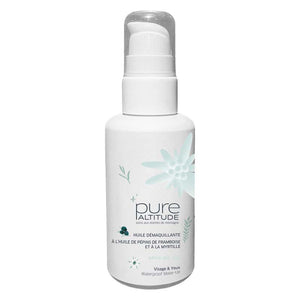

Beauty Journal

Facial self-massage with a rose quartz Gua Sha helps to smooth, lift, and naturally revive radiance. A simple, effective, and anti-aging step to integrate into your routine.
Read more
Cold-derived active ingredients: why high-altitude plants are the most powerful for the skin
Above 2,000 meters, there exists an invisible border where life becomes a permanent feat. The cold bites, the wind parches, and ultraviolet radiation strikes without a filter. In this universe, nothing should be able to bloom. And yet, some plants cling to it, season after season, with an obstina...
Read more
Fall is here, and it's time to reinvent your skincare routine. With the cold weather setting in, your skin needs specific care to stay radiant, hydrated and protected. Discover our selection of products designed to deeply nourish and revitalize the skin, and face this season in beauty.
Read more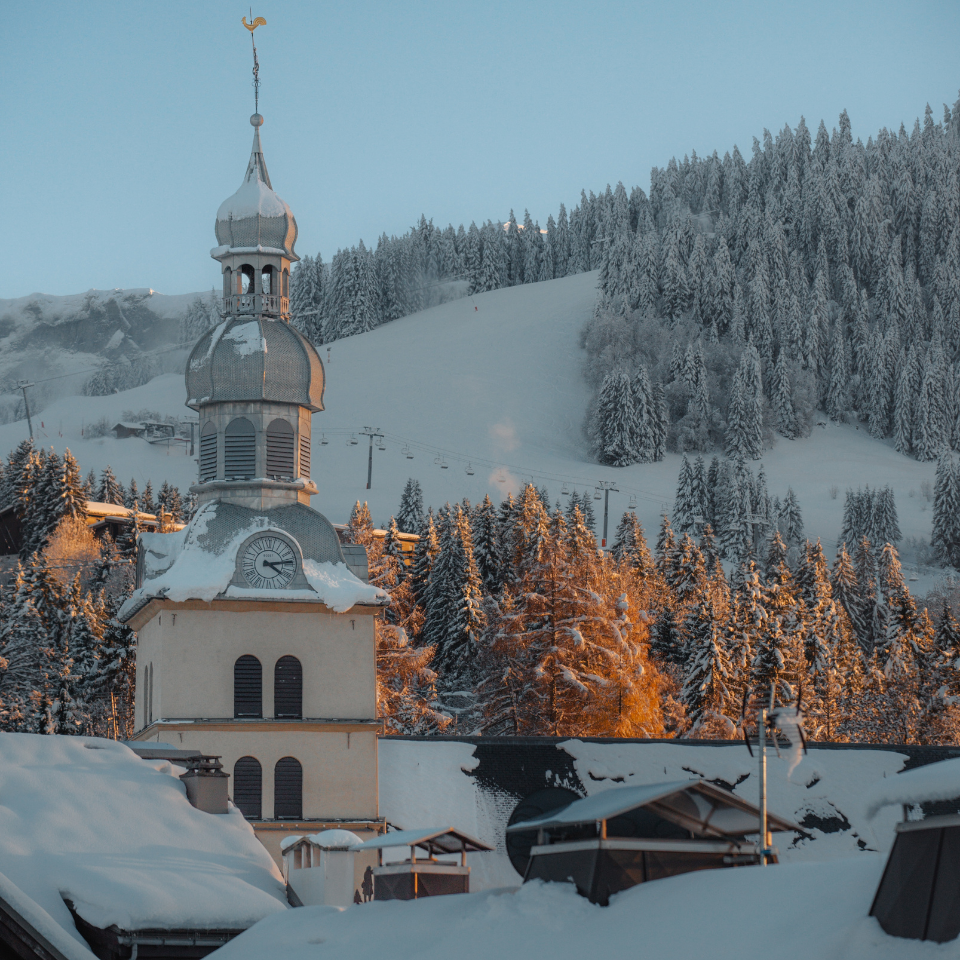
Winter in megève: the beauty guide
There is a moment each year when Megève shifts into winter. The sky hangs lower, the light sits flatter, and the village, perched at 1,113 meters, is draped in a muffled silence that only heart-and-soul resorts truly know. For those who live here year-round, this season isn’t a postcard: it’s dai...
Read more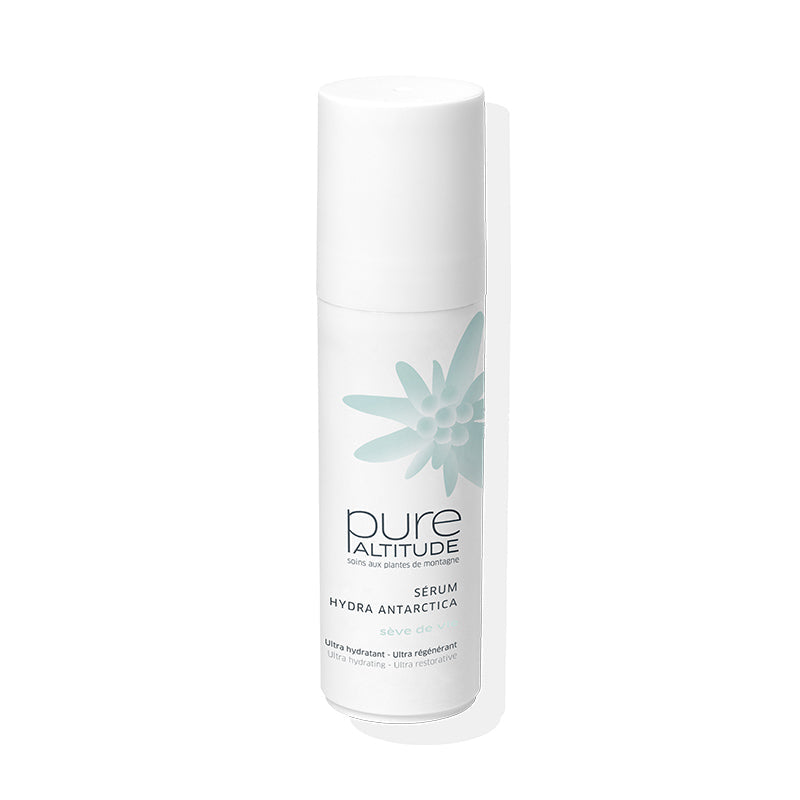
The perfect skincare kit for a week in the mountains
By the third day of a mountain vacation, the situation is often the same: skin feels tight, lips are peeling, and the backs of the hands are red. It’s no wonder. Between the dry cold, the mountain wind, the sun reflected by the snow, and the overheated air in the chalets, the skin takes on more i...
Read more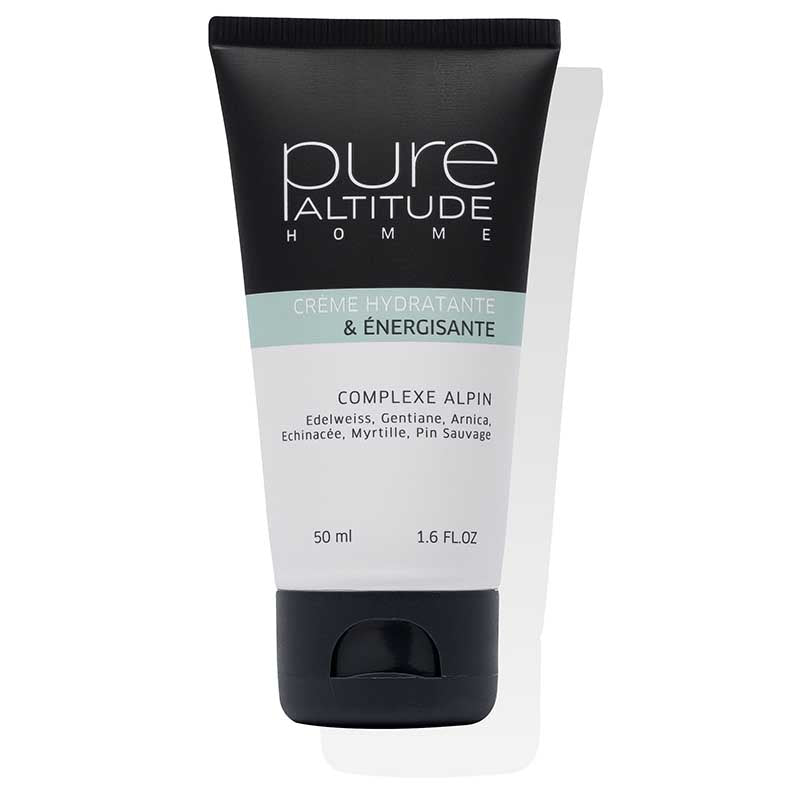
Men's skincare: a ski routine in just 3 products
That tight feeling on your face from the very first ski lift. Cheeks burning when you get back to the chalet. That slightly rough, reddish skin that stings when you touch it after a day on the slopes. On the runs of Megève and everywhere else, men's skin takes a beating in silence, and eventually...
Read more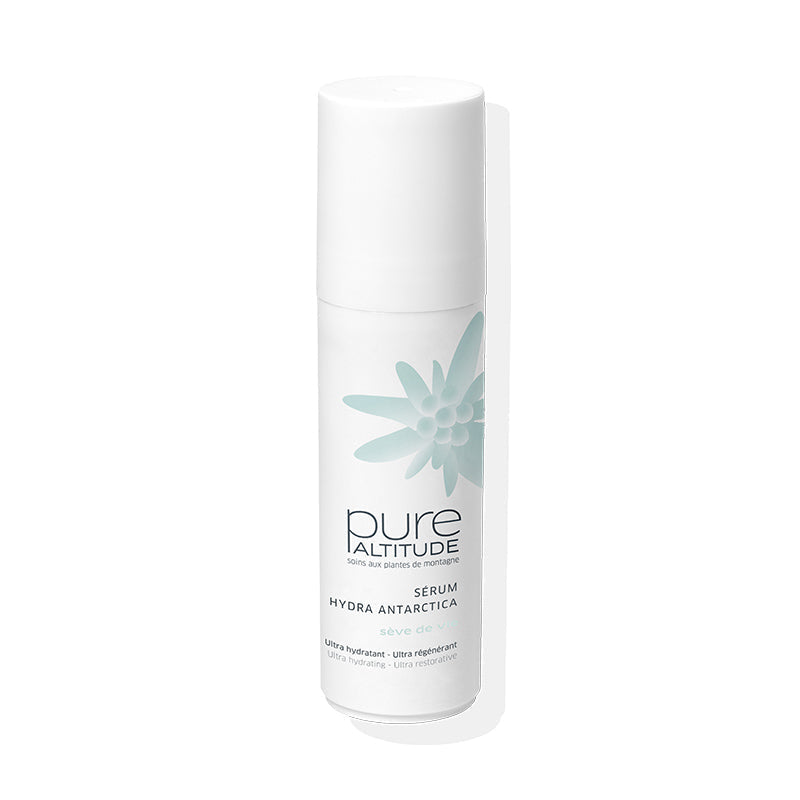
Après-ski routine: the evening beauty ritual that repairs everything
It is six o'clock. The skis are leaned against the chalet wall, cheeks still flushed from the last run, and the fire is just beginning to take. Outside, the mountains are turning blue. Inside, your skin is craving something. Not just another treatment. A true moment of recovery. This is the very ...
Read more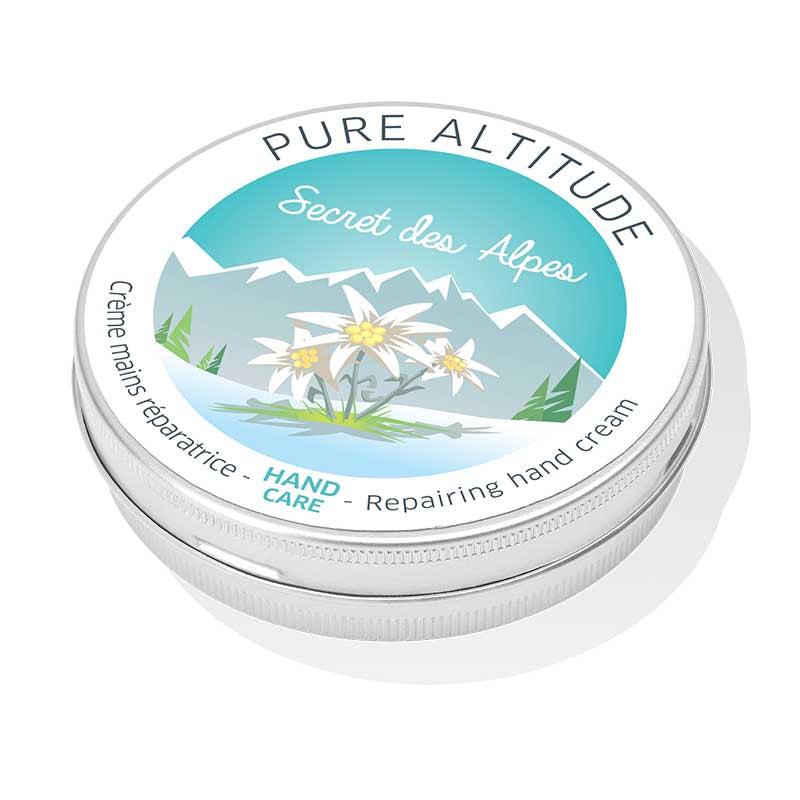
Extreme cold hand cream: protecting and repairing your hands in winter
The cold bites, the wind chafes, and after a few days outdoors, it is often the hands that suffer first. Tight skin, rough backs of the hands, little chaps at the corners of the fingers... At high altitude as in the city, winter puts the skin on your hands to a severe test. Here is why your hands...
Read more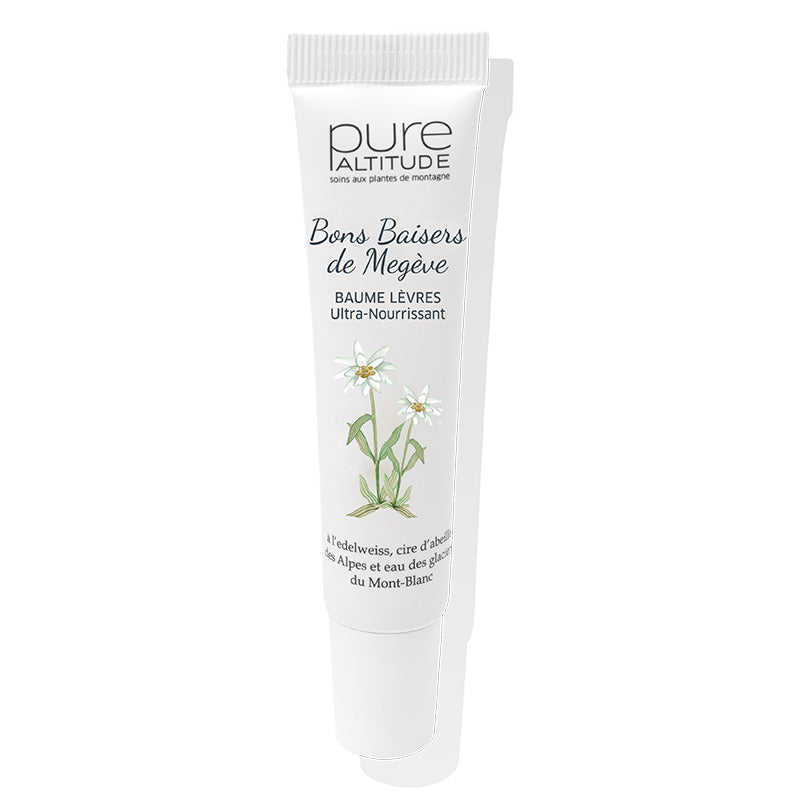
Lip care for skiing: protecting and repairing chapped lips caused by the cold
It only takes one morning on the slopes to feel it: well before your cheeks or fingertips, it’s your lips that feel tight, tingly, and then chapped. At high altitude, they are the first area to show signs of distress. Understanding why helps you adopt the right habits before chapping sets in. Wh...
Read more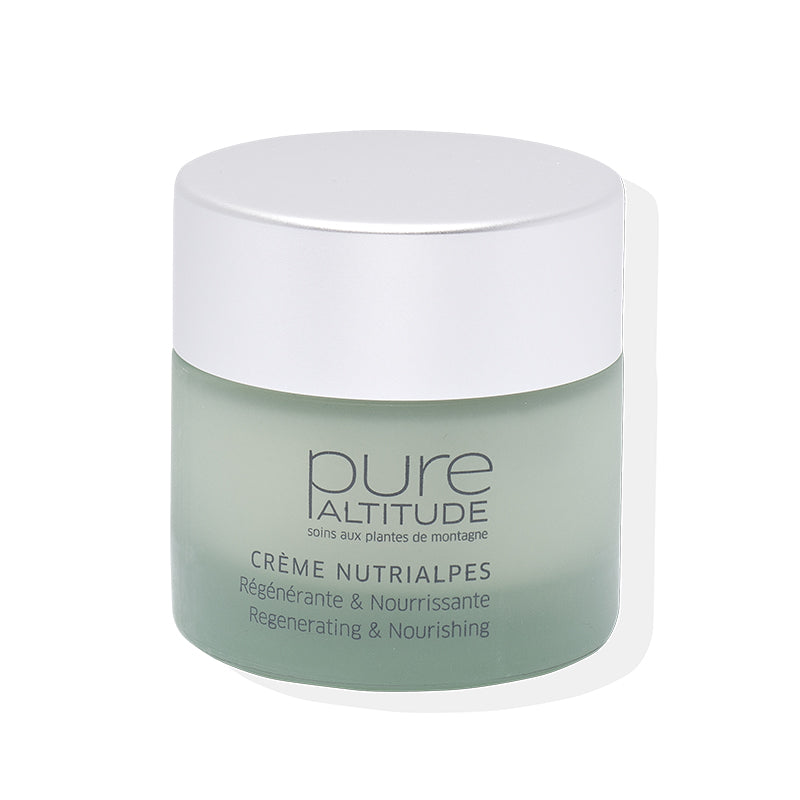
Winter evening routine: repairing what the cold has taken
It is 10 p.m. Outside, snow is falling on the roofs of Megève and the thermometer has plummeted well below zero. You return home, cheeks flushed, with that familiar sensation: skin that feels tight, around the lips, on the cheekbones, where the cold has bitten. The wind, the icy air, the dry heat...
Read more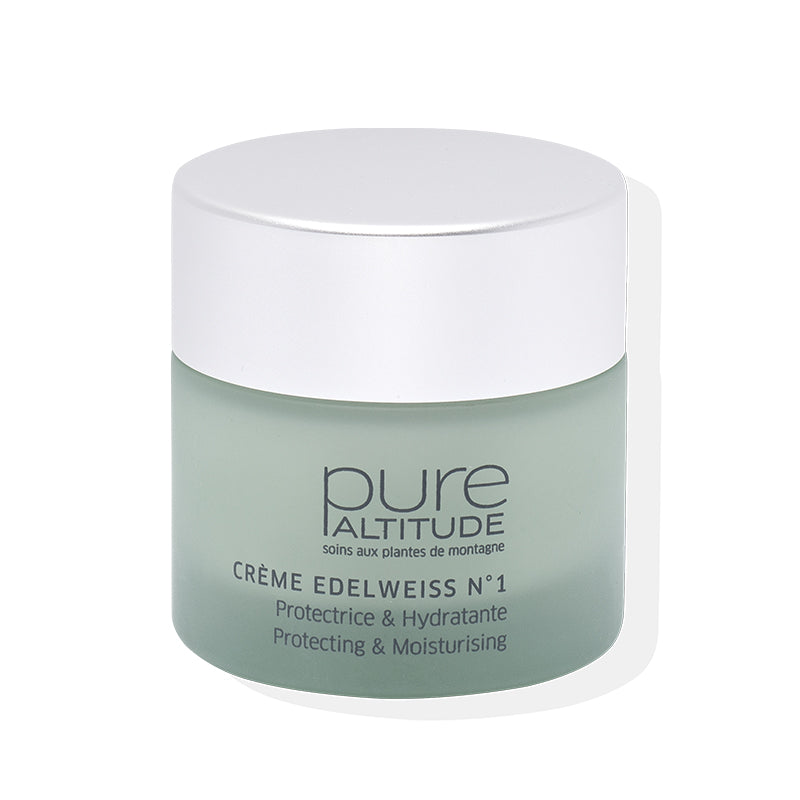
Winter morning routine: 5 minutes for skin protected all day long
It is still dark, the house is chilly, and you’ve barely stepped out from under the duvet when your skin already feels tight. Sensation of tightness on the cheeks, rough patches on the forehead, chapped lips: winter makes itself felt before the first coffee. And in a few minutes, you’ll have to f...
Read more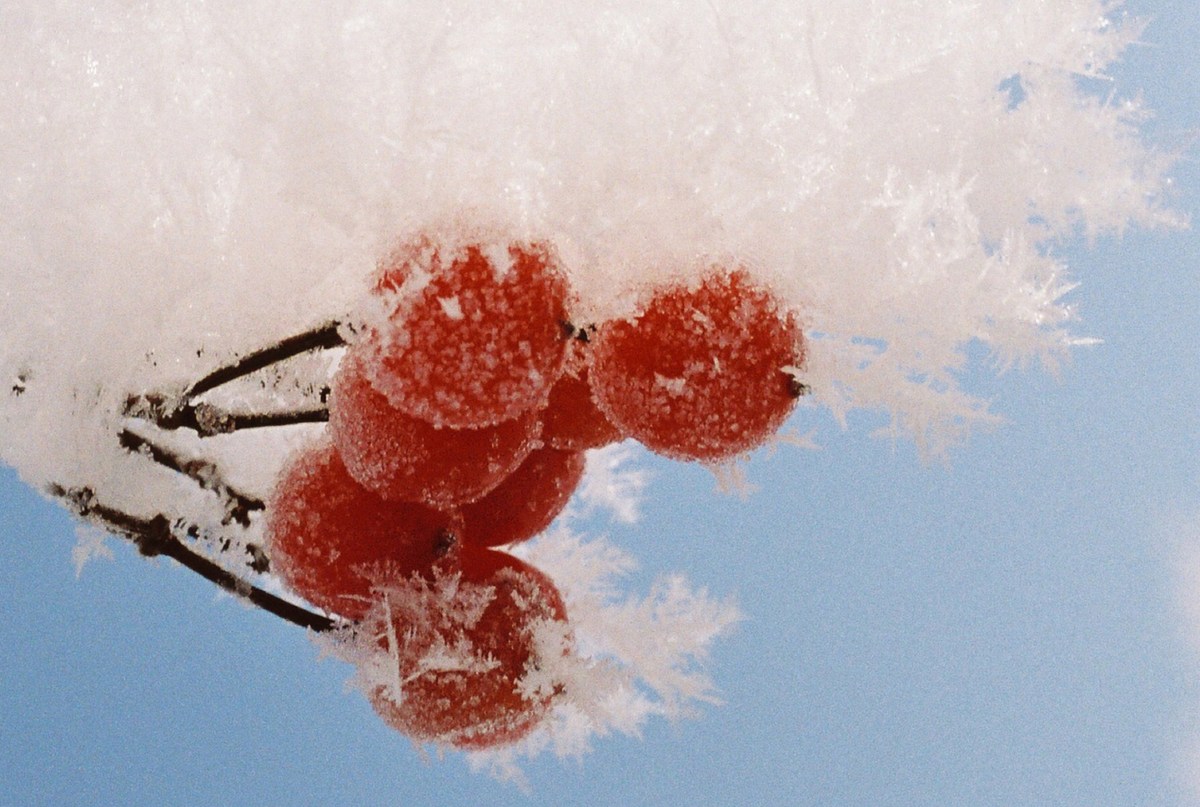
Arctic cranberry: the antioxidant shield from the cold
A berry born from the deep freeze The Arctic cranberry (Vaccinium vitis-idaea), also known as the lingonberry, is a small, creeping subshrub that grows where almost nothing else survives. It thrives in open forests, alpine heaths, and high-altitude meadows, sometimes at elevations above 3,000 met...
Read more